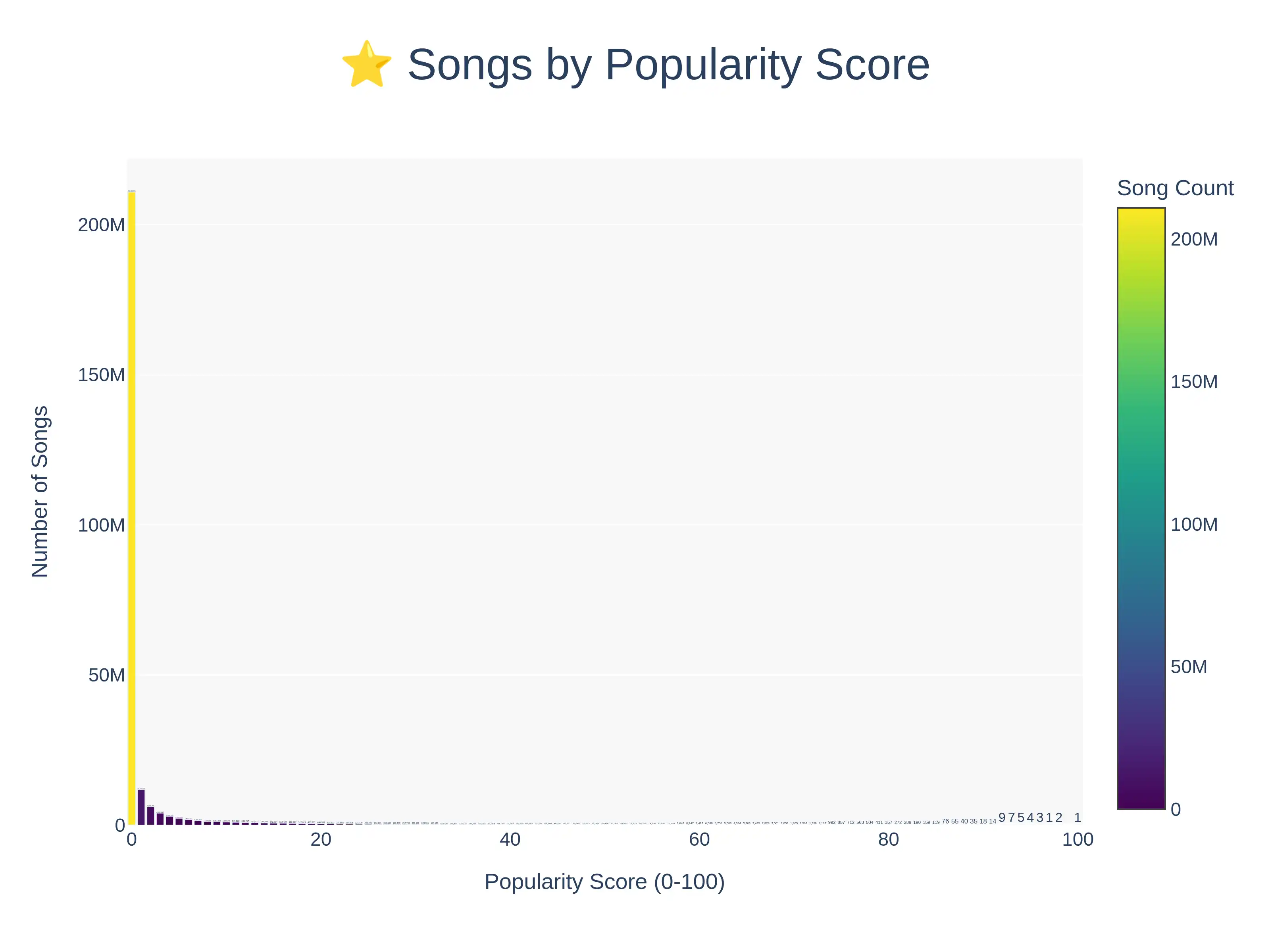
Anna's Archive released a 300TB music archive with 256 million tracks and 186 million unique ISRCs, representing 99.6% of listens. The archive is open and can be mirrored by anyone with enough disk space, aiming to preserve humanity's musical heritage.